








Table of Contents
The Ultimate Guide to a Flawlessly Organized Pantry: Marrying Aesthetics and Functionality for a Clutter-Free Kitchen
Table Of Content
- Table of Contents
- Part 1: The Foundation – The Strategic Purge and Plan
- Step 1: The Great Empty-Out
- Step 2: The Ruthless Edit – Categorize and Conquer
- Step 3: Assess and Measure – Your Blueprint for Success
- Part 2: The Science of Functional Organization
- Zoning: The Cornerstone of an Efficient Pantry
- Smart Storage Solutions: Maximizing Every Inch
- Part 3: The Art of Aesthetic Organization
- Defining Your Pantry’s Personality
- The Power of Cohesion: Containers and Labels
- Elevating with Finishing Touches
- Part 4: Pro-Level Hacks for a Superior System
- Part 5: Maintaining Your Pantry Paradise
- Conclusion
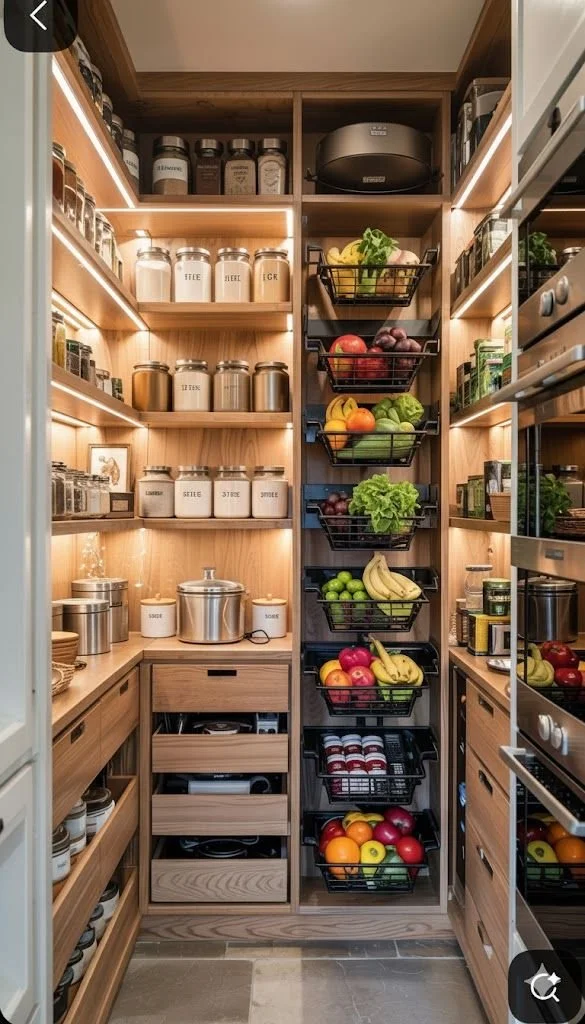
Imagine opening your pantry door not to a cascade of mismatched boxes and hidden, long-forgotten bags, but to a serene, orderly sanctuary where every item has a place. This isn’t a far-fetched dream from a home-design magazine; it’s an attainable reality. Organizing your kitchen pantry is far more than a simple chore—it’s a transformative act that streamlines your daily routine, saves you money by reducing food waste, and brings a sense of calm and control to the heart of your home.
In this definitive guide, we will journey far beyond the usual tips. We will delve into a strategic, step-by-step process that covers everything from the psychological reset of a total cleanout to the sophisticated art of creating a visually stunning and hyper-functional space. Prepare to turn your pantry from a source of stress into a source of pride and inspiration.
Part 1: The Foundation – The Strategic Purge and Plan
Before a single container is purchased, the most critical work begins. A successful organization project is built on a solid foundation of planning and preparation. Rushing this stage is the number one reason organizational systems fail.
Step 1: The Great Empty-Out
First, take a deep breath and empty the entire pantry. Every single item must come out. This step is non-negotiable. It allows you to see the bare bones of your space and forces you to physically handle every item, making you consciously decide on its fate. Lay everything out on a large table, countertop, or even a clean tarp on the floor. Once empty, give the pantry a thorough cleaning. Wipe down every shelf, wall, and the floor. This provides a truly fresh start.
Step 2: The Ruthless Edit – Categorize and Conquer
With everything laid out before you, it’s time for the most cathartic step: the purge. Create three distinct zones: Keep, Toss, and Donate.
- Toss: Be merciless. Immediately discard anything that is expired, stale, or has gone bad. Check expiration dates on cans, boxes, and jars. Smell spices—if they’ve lost their pungent aroma, they’ve lost their flavor and must go.
- Donate: Create a box for non-perishable, unexpired food items that you know you won’t use. Perhaps you bought a specialty flour for one recipe or have canned goods you don’t enjoy. A local food bank or shelter will be grateful for these items.
- Keep: This pile is what you will be organizing. As you decide to keep items, begin grouping them into broad categories: pasta and grains, canned goods, breakfast items, snacks, baking supplies, oils and vinegars, spices, etc. This initial sorting will be invaluable in the next stage.
Step 3: Assess and Measure – Your Blueprint for Success
Now, look at your empty pantry and your “Keep” piles. It’s time to create a blueprint.
- Measure Everything: Use a tape measure to get the precise dimensions of your pantry: the width, depth, and height of each shelf. Don’t eyeball it! Knowing that a shelf is 14 inches deep versus 12 inches deep will completely change the type of organizer you can use.
- Analyze Your Lifestyle: Your pantry should be a reflection of how you live and eat.
- The Busy Family Pantry: Needs a highly accessible, clearly labeled snack zone for kids. A “lunch packing” station with bread, spreads, and snack bags can be a morning lifesaver.
- The Baker’s Pantry: Requires dedicated space for various flours, sugars, and decorating supplies. Airtight containers are a must. Consider bins for rolling pins and baking mats.
- The Health-Conscious Pantry: Should have zones for supplements, protein powders, whole grains (like quinoa and farro), and healthy snacks.
- The Gourmet Cook’s Pantry: Needs an extensive spice organization system and ample space for specialty oils, vinegars, and imported goods.
Part 2: The Science of Functional Organization
With a clean slate and a clear plan, you can now build a system that is efficient, intuitive, and designed to last.
Zoning: The Cornerstone of an Efficient Pantry
The single most effective organizational strategy is zoning. By assigning a specific purpose to each area of your pantry, you create a mental map that makes finding and putting away items effortless.
| Zone Example | Contents | Organization & Placement Tips |
|---|---|---|
| Breakfast Station | Cereal, oats, granola, breakfast bars, coffee, tea. | Place on a highly accessible mid-level shelf. Decant cereals into clear dispensers for easy pouring. |
| Dinner Prep & Grains | Pasta, rice, quinoa, lentils, canned tomatoes, broths. | Use large, stackable, clear containers. Position this zone near the bottom for heavier items. |
| Baking Zone | Flours, sugars, baking soda, vanilla extract, chocolate chips. | Group all items together. Use modular, stackable airtight containers. Use a turntable for small extracts and food colorings. |
| Snack Central | Chips, crackers, pretzels, fruit snacks, nuts. | Use open-front bins or baskets. Place on a lower shelf for kids or at eye-level for adults. This contains the “snack explosion.” |
| Canned Goods | Beans, vegetables, soups, tuna. | A tiered shelf expander is essential here. It turns a deep shelf into stadium seating, allowing you to see every can. |
| Oils, Vinegars & Sauces | Cooking oils, vinegars, soy sauce, marinades. | A turntable (Lazy Susan) is your best friend. It prevents bottles from getting lost in the back and creating sticky rings. |
| Backstock/Overflow | Extra supplies of items you use frequently. | Designate the highest shelf or the floor space for this. Keep it organized so you can “shop” your own pantry before going to the store. |
Smart Storage Solutions: Maximizing Every Inch
- Go Vertical: Don’t let the space between shelves go to waste. Shelf risers instantly create a second level for smaller items like spices or short cans. Under-shelf baskets are brilliant for storing packets, bread, or bags of chips.
- Conquer Deep Shelves: Deep shelves are notorious for being black holes where food goes to expire. The solution is to make everything slide. Use clear bins with handles or pull-out drawers. This allows you to pull the entire contents of a shelf towards you, accessing the back with ease.
- Utilize the Door: The pantry door is prime real estate. An over-the-door rack can add a huge amount of storage for spices, jars, and small bottles, freeing up valuable shelf space.
- Tame Awkward Corners: Install a large turntable or custom corner shelving to make corner spaces fully accessible.
Part 3: The Art of Aesthetic Organization
A functional pantry is great. A functional and beautiful pantry is life-changing. This is where you infuse your personal style into the space.
Defining Your Pantry’s Personality
Choose a cohesive aesthetic that complements your kitchen and home decor.
- Modern & Minimalist: Opt for clear glass or high-quality acrylic containers, stainless steel accents, and simple, san-serif labels. The look is clean, bright, and uncluttered.
- Farmhouse & Rustic: Embrace natural textures. Use woven wicker or rattan baskets, wooden crates, and ceramic canisters. Chalkboard labels or labels with a charming script font complete the look.
- Bohemian & Eclectic: Don’t be afraid to mix and match. Combine amber glass jars, handmade pottery for storing utensils, and baskets with different weaves and patterns. A peel-and-stick wallpaper with a botanical print can make a stunning backdrop.
The Power of Cohesion: Containers and Labels
The secret to a magazine-worthy pantry is uniformity.
- Containers: Decanting your dry goods into matching containers is the single biggest visual upgrade you can make.
- Glass: Beautiful, non-porous, and dishwasher safe, but can be heavy and breakable.
- Acrylic/Plastic: Lightweight, durable, and often stackable. Look for high-quality, BPA-free, airtight options.
- Ceramic: Opaque and stylish, great for items sensitive to light (like coffee or some teas), but you can’t see the contents.
- Labels: Label everything! It not only looks professional but it’s also crucial for function, ensuring you don’t mistake salt for sugar. Choose a style and stick with it. From custom vinyl decals to a simple label maker or elegant handwritten tags, consistency is key.
Elevating with Finishing Touches
- Add a Backsplash: Apply a vibrant peel-and-stick wallpaper or a fresh coat of paint to the back wall of the pantry for a dramatic, high-end look.
- Install Lighting: Good lighting is both functional and aesthetic. Add battery-operated, motion-sensing LED strip lights under each shelf. They will illuminate your beautifully organized space and make it easy to find what you need.
Part 4: Pro-Level Hacks for a Superior System
- The “File, Don’t Pile” System: Use magazine holders or office file dividers to store flat items vertically. This is perfect for seasoning packets, food pouches, and even small cutting boards.
- The “First In, First Out” (FIFO) System: To reduce waste, ensure you’re using older items before new ones. A simple way to do this is to place new purchases at the back of the shelf, pushing the existing items to the front. For an advanced system, use two bins for a category: one in front for “Use Now” and one behind for “Backstock.”
- The Small Appliance “Garage”: If you have the space, designate a bottom shelf for heavy, bulky appliances like your stand mixer, blender, or air fryer. This keeps your valuable kitchen countertops clear.
Part 5: Maintaining Your Pantry Paradise
Your pantry will not stay perfect on its own. The final, crucial step is to build simple habits to maintain your new system.
- The 5-Minute Weekly Reset: Once a week, take just five minutes to put any stray items back in their designated zones, wipe up any spills, and break down empty packaging.
- The Quarterly Edit: Every three months, do a quick scan for anything expired or items you aren’t using. This is also a good time to reassess if your zones are still working for your family’s needs.
- The Shopping List System: The most important habit of all. Keep a notepad or a digital list accessible. The moment you use the last of an item, write it down. This ends the cycle of running out of essentials or buying duplicates.
Conclusion
Transforming your kitchen pantry is an empowering project that pays daily dividends. By following a structured process of purging, planning, zoning, and containing, you can create a system that is perfectly tailored to your life. The result is a space that not only functions flawlessly but also brings you a sense of accomplishment and visual joy every time you open the door. Your beautiful, orderly pantry awaits.

Other Articles

2 Comments
Leave a Reply
You must be logged in to post a comment.


[…] appliances. If you want ideas to make your pantry both pretty and practical, have a look at these aesthetic and functional pantry organization ideas for […]
[…] A calm, clutter-free kitchen starts with a few smart systems. Whether you have a studio apartment or a spacious family kitchen, organizing intentionally will save time, reduce stress, and make cooking enjoyable again. For pantry layouts that balance aesthetics and function, see this helpful guide: aesthetic & functional kitchen pantry organization ideas. […]