








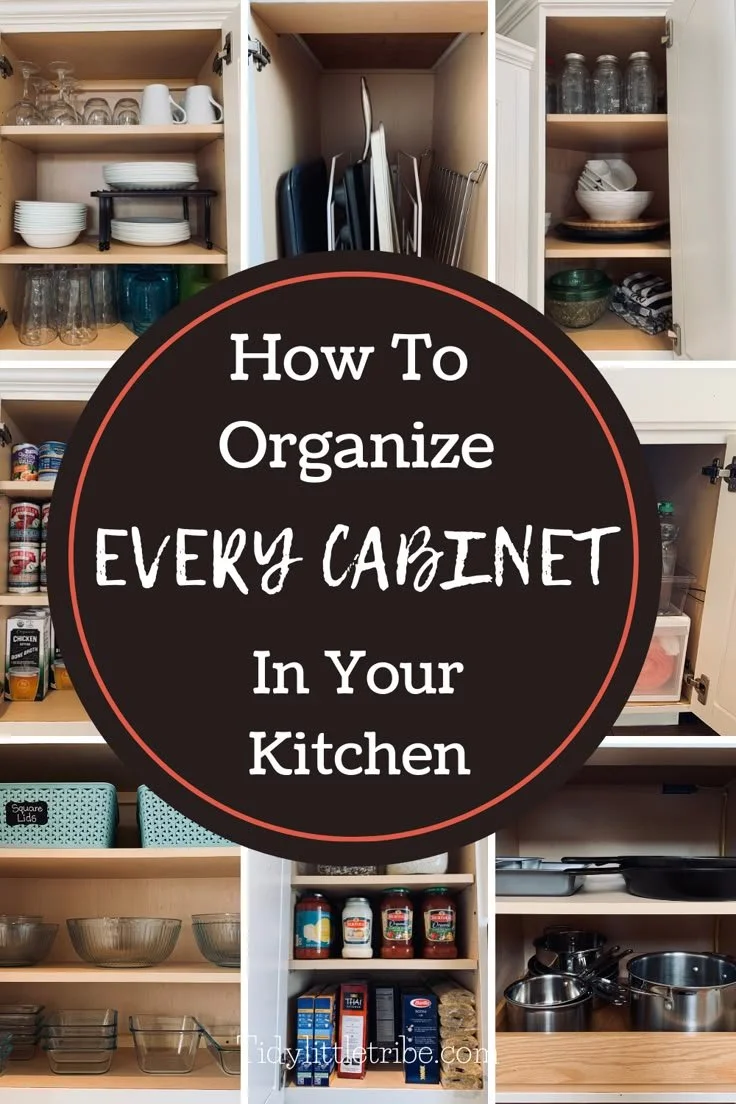
How To Organize Kitchen Cabinets
Table of Contents
A well-organized kitchen cabinet makes cooking faster, reduces stress, and keeps your space looking tidy. Before you begin rearranging, consider how your layout affects storage ,if you have a compact layout, these small kitchen ideas to maximize space can help you adapt the strategies below.
Table Of Content
Step 1 — Clear, Clean, and Categorize
Start by emptying the cabinet you want to organize. Wipe shelves with a mild cleaner and sort items into categories: everyday dishes, special-occasion pieces, baking tools, pots and pans, food storage, and small appliances. Eliminating duplicates and donating what you don’t use will immediately improve space and visibility.
Step 2 — Plan Zones by Function
Group items by how you use them. Typical zones:
- Cooking zone: pots, pans, spatulas near the stove.
- Prep zone: knives, mixing bowls, cutting boards near counter space.
- Cleaning zone: dish soap, sponges under the sink.
- Pantry and dry goods: snacks, canned goods, baking supplies together.
Placing things where they’re used saves steps and time during meal prep.
Step 3 — Use Vertical and Pull-Out Solutions
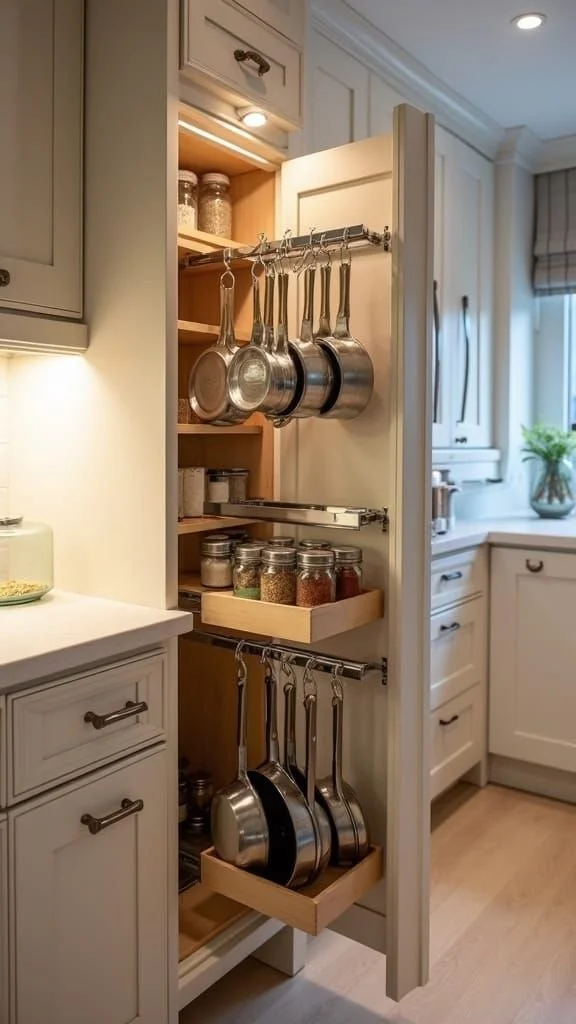
Make the most of vertical space by stacking like items, adding risers for plates, and installing shelf inserts. If a deep cabinet hides items at the back, consider pull-out shelves or baskets so everything is accessible. For more ideas on clever concealed storage, see these hidden cabinet hacks.
Step 4 — Optimize Drawers and Small Spaces
Drawers are ideal for utensils, measuring tools, and frequently used gadgets. Use dividers to keep utensils separated and store lids vertically with a simple rack. For a comprehensive approach to arranging drawers and cabinets for flow and accessibility, this kitchen organization guide offers practical layouts and product suggestions.
Step 5 — Contain, Label, and Maintain
Use uniform containers for dry goods and label them so family members can maintain the system. Lazy Susans, clear bins, and tiered shelves reduce visual clutter and make it easy to see what you have. Schedule a quick weekly tidy and a full cabinet review every few months to keep the system working.
Tips for Long-Term Success
- Keep frequently used items at eye level or below; reserve high shelves for seasonal or rarely used pieces.
- Store heavy items low to avoid lifting injuries.
- Rotate pantry goods so older items are used first.
- If you share the kitchen, set simple rules so everyone returns things to the right spot.
Conclusion
For step-by-step photos and a room-by-room approach, check out this How to Organize Kitchen Cabinets – Clean and Scentsible article for visual examples. If you want a gallery of creative setups and before-and-after images, browse the ideas in The 25 Best Ways to Organize Your Kitchen Cabinets (with Photos). To read a real-life makeover and tips from a professional organizer, see A Pro Organizer Improved My “Chaotic” Kitchen Cabinets.



No Comment! Be the first one.