








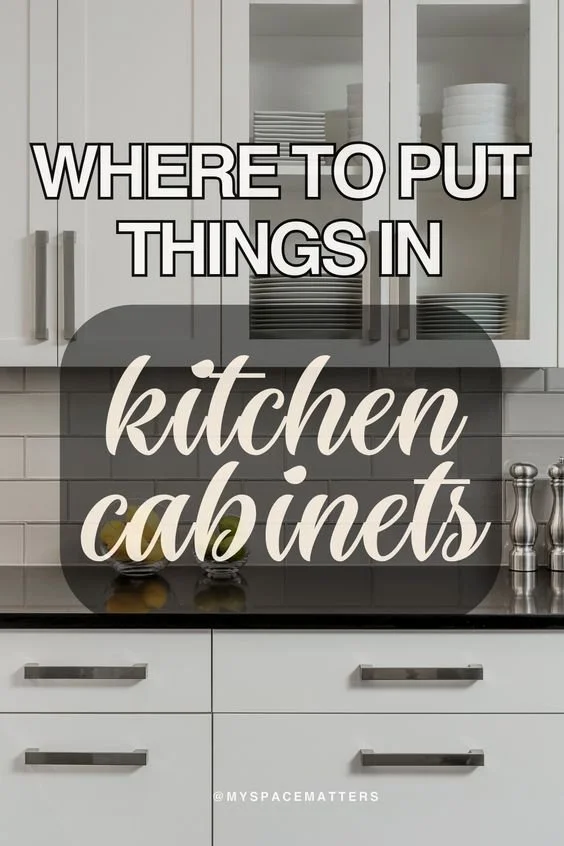
Where to Put Things in Kitchen Cabinets and Drawers
Table of Contents
Organizing your kitchen so everything has a logical place saves time, reduces clutter, and makes cooking more enjoyable. If your kitchen flows into other living spaces, coordinating styles helps the whole home feel connected — for example, these 20 modern boho living room ideas can inspire a cohesive aesthetic that guides your cabinet and drawer choices.
Table Of Content
Below are practical guidelines and placement suggestions to maximize efficiency and make the most of every drawer and cabinet.
Principles to Guide Placement
- Store items by task, not by type. Group everything you need for a single activity (e.g., making breakfast, baking) close together.
- Keep frequently used items within easy reach; stow heavy or rarely used things higher or lower.
- Keep the cook zone uncluttered: only the tools and ingredients you use at the stove should live closest to it.
- Use the vertical space and cabinet doors for storage to free shelf and drawer space.
Map your kitchen into zones
Think in terms of zones: cooking, prep, cleanup, pantry, and beverage/snack. Place items in each zone according to frequency and function. For more ideas on tying rooms together with functional layout choices, check the living room design category for complementary tips that help when planning open layouts.
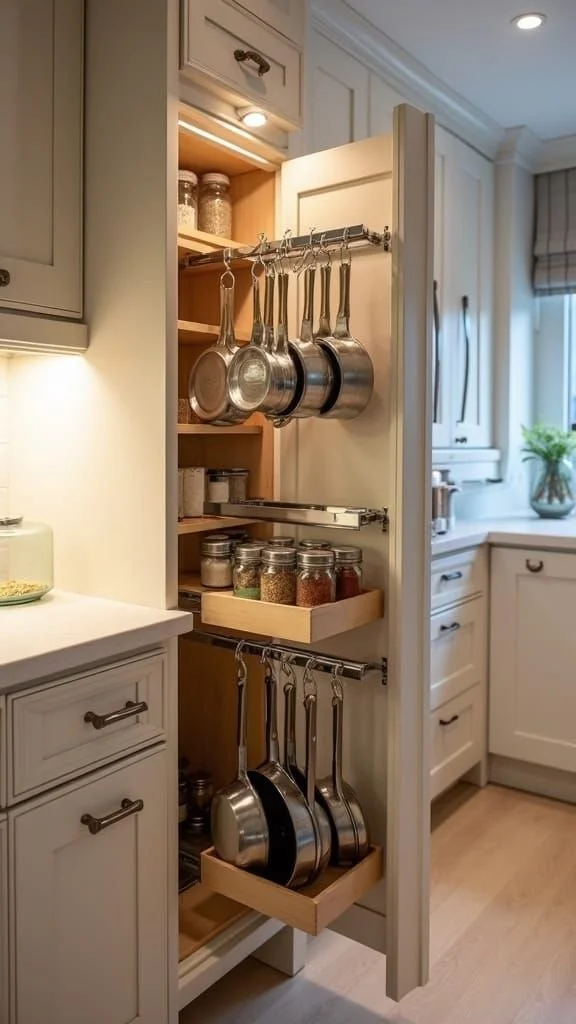
- Cooking zone (around the stove and oven): spatulas, spoons, pot holders, pans and lids, oils and frequently used spices. Use a shallow drawer near the stove for spatulas and spoons; pots and pans sit best in a lower cabinet with a pull-out organizer or a dedicated pan drawer.
- Prep zone (near the main counter/prep area): knives, cutting boards, mixing bowls, measuring cups, peelers, and small appliances like blenders. A wide, shallow top drawer with inserts keeps prep tools accessible.
- Cleanup zone (around the sink and dishwasher): dish soaps, brushes, trash bags under the sink in a pull-out caddy, and everyday plates and bowls in cabinets near the dishwasher to shorten unload time.
- Pantry zone: dry goods, canned items, and overflow serving ware. Use clear containers and group items by type; place frequently used staples at eye level.
- Beverage/snack zone: mugs, glasses, coffee maker, and snacks stored in a lower cabinet or a dedicated shelf where kids can reach their snacks if desired.
Smart drawer and cabinet solutions
- Top drawers: reserve for utensils, flatware, and frequently used small tools. Use adjustable dividers to create designated spots and avoid a junk drawer.
- Deep drawers: ideal for cookware, mixing bowls, and small appliances. Install organizers or trays so items don’t get lost in the back.
- Corner cabinets: fit a lazy Susan or pull-out carousel to make the most of awkward space and avoid stacking heavy items that are hard to reach.
- Vertical dividers: store baking sheets, cutting boards, and trays upright to save space and make retrieval easier.
- Cabinet doors: add racks for wraps, pot lids, or spice strips to free shelf space.
Special items and accessibility
- Heavy items (cast iron skillets, bulk canned goods): keep at waist to floor level so you can lift safely.
- Glassware and plates: store glasses above or adjacent to the dishwasher to make unloading simple; plates and bowls should be within reach of the prep and serving area.
- Knives: use a magnetic strip or a drawer block to protect blades and hands; keep knives near prep areas, not in the cleanup zone.
- Kid-friendly items: place children’s dishes and snacks on a lower shelf or drawer so they can help themselves.
- Seasonal or seldom-used pieces: allocate the highest cabinets for serving platters and holiday items.
Maintain order with small hacks
- Label shelves or use clear containers so contents are obvious at a glance.
- Rotate items when new groceries come in so older ingredients get used first.
- Install pull-out shelves or soft-close drawers where possible — ease of access encourages putting things back.
- Dedicate one small drawer or shelf as the “overflow” zone and clean it out monthly to avoid it becoming a junk trap.
For inspiration on harmonizing storage choices with contemporary interior trends and cozy textures, consider exploring these 2026 modern cozy living room inspirations to borrow color, material, and organizational cues that translate well into kitchen cabinetry.
Conclusion
A kitchen that runs smoothly is organized around how you actually use the space. By zoning the room, prioritizing reachability, and using smart storage solutions like dividers, pull-outs, and door-mounted racks, you’ll create a system that saves time and reduces frustration. Start with one drawer or cabinet at a time and adjust placement based on what works for your routine — small changes add up quickly.

Other Articles

One Comment
Leave a Reply
You must be logged in to post a comment.
[…] can be installed while keeping the original boxes. If you need better organization strategies, this kitchen organization cabinets and drawers guide describes ideas that pair well with an aesthetic […]